
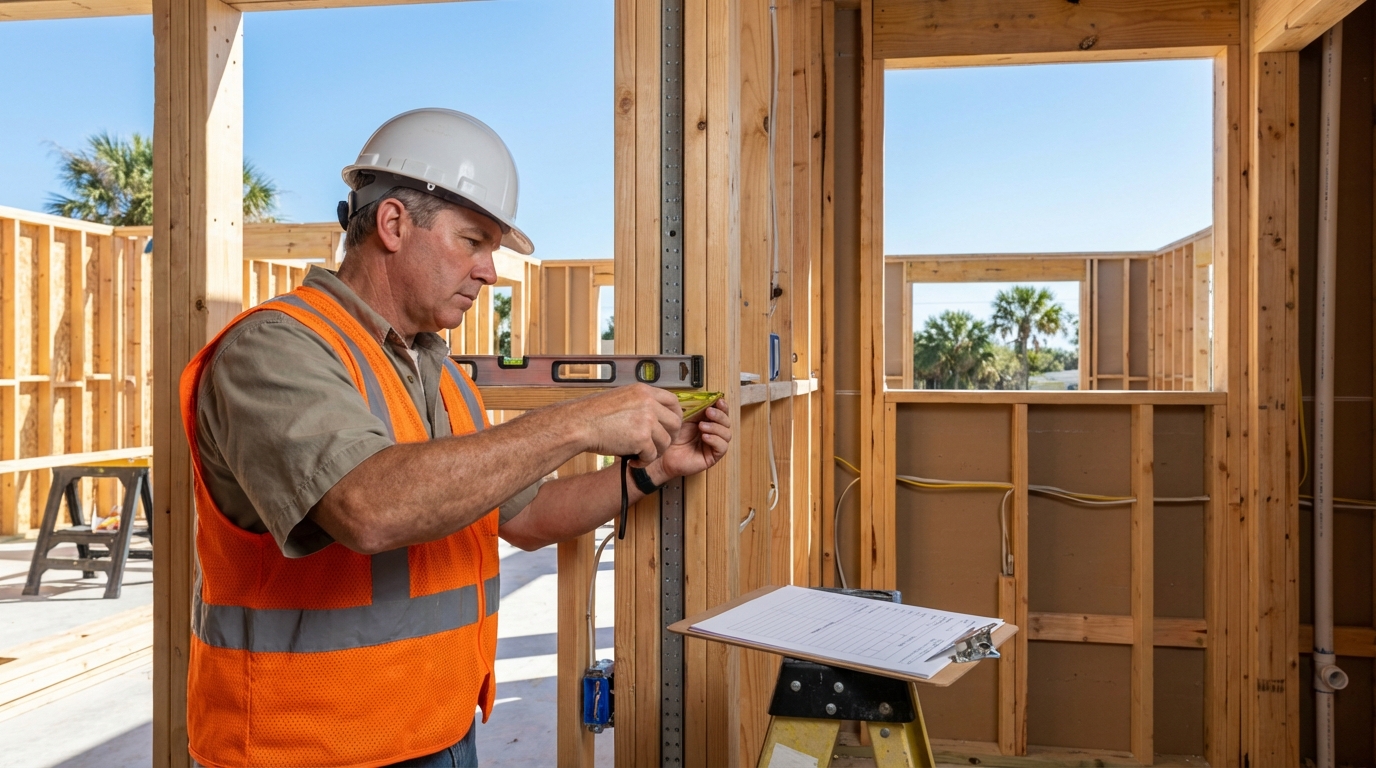
Florida has some of the strictest building codes in the nation — and for good reason. Our state faces unique challenges from hurricanes, flooding, and extreme heat. Understanding how these codes apply to modular homes is essential for anyone considering this construction method.
The Florida Building Code isn't just a set of bureaucratic requirements — it's a comprehensive framework designed to protect lives and property in one of the most challenging climates in the United States. For modular home builders and buyers, understanding these requirements is crucial for ensuring a safe, code-compliant, and valuable investment.
The Florida Building Code (FBC)
The Florida Building Code is a comprehensive set of regulations governing all construction in the state. First adopted in 2002 following the devastating impacts of Hurricane Andrew, the FBC consolidated what had been a patchwork of local codes into a unified statewide standard. It's updated every three years to incorporate new safety standards and construction technologies.
Why Florida's Code Is So Strict
Florida faces a unique combination of environmental challenges that make stringent building codes necessary:
- Hurricane risk: The state experiences more hurricanes than any other U.S. state
- High winds: Sustained winds of 150+ MPH in major hurricanes
- Flooding: Storm surge, heavy rainfall, and rising sea levels
- Extreme heat and humidity: Year-round moisture and temperature challenges
- Soil conditions: Variable soil types including sandy and organic soils
- Termites and pests: Year-round pest pressure requiring special protections
Modular Homes: Same Standards, No Exceptions
Key point: Modular homes in Florida must comply with the same FBC standards as traditional stick-built homes. There are no exceptions or reduced requirements. This is fundamentally different from manufactured (HUD code) homes, which follow less stringent federal standards.
In fact, many builders and inspectors argue that factory-built modular homes often exceed FBC requirements because of the controlled manufacturing environment and rigorous quality control processes. When you work with experienced modular construction professionals, you benefit from both code compliance and superior construction quality.
Required Certifications for Florida Modular Homes
Every modular home in Florida must meet specific certification requirements before it can be legally installed and occupied. These certifications ensure that the home has been built to FBC standards and inspected by qualified third-party professionals.
DCA/DBPR Insignia
Each module must bear an insignia from the Florida Department of Business and Professional Regulation (DBPR), certifying FBC compliance. This insignia is your assurance that:
- The module was built in an approved factory
- Construction was monitored by licensed inspectors
- All materials and methods meet FBC requirements
- Structural engineering has been certified
The insignia must remain permanently attached to the home. It's your proof of compliance for inspectors, lenders, and insurance companies.
Third-Party Inspections
Independent inspectors verify construction quality at the factory level. Unlike traditional construction where inspection happens outdoors in variable conditions, modular factory inspections occur in controlled environments with full access to all components before walls are closed up.
These inspections typically cover:
- Structural framing and connections
- Electrical systems and wiring
- Plumbing systems and fixtures
- HVAC installation and ductwork
- Insulation and energy efficiency measures
- Fire safety systems and materials
- Window and door installations
Engineering Certifications
Structural engineering must be certified for the specific wind zone where the home will be placed. This isn't a one-size-fits-all approach — each home's structural design must account for:
- Local wind zone requirements
- Specific site conditions and exposure
- Foundation type and soil bearing capacity
- Flood zone requirements if applicable
- Local amendments to the FBC
Wind Zone Requirements in Florida
Florida is divided into different wind zones based on hurricane risk. Understanding your wind zone is critical because it determines the engineering requirements for your modular home. These zones are based on the American Society of Civil Engineers (ASCE) wind speed maps.
Inland Areas
Inland areas typically require 130-150 MPH wind resistance. This includes most of central Florida, from Orlando westward and northward. While these areas face lower wind risk than coastal regions, they still require significant wind engineering — 130 MPH is equivalent to a strong Category 3 hurricane.
Coastal Areas
Coastal areas may require 150-180+ MPH wind resistance. This encompasses most of Florida's coastline, including popular areas like:
- Tampa Bay and surrounding counties
- Southwest Florida (Fort Myers, Naples area)
- Southeast Florida (Palm Beach County and south)
- Northeast Florida (Jacksonville beaches, St. Augustine)
- The Panhandle coastal regions
Homes in these zones require reinforced connections, impact-resistant openings, and enhanced roof systems.
High-Velocity Hurricane Zones (HVHZ)
Miami-Dade and Broward counties have the strictest requirements in the state. The HVHZ designation requires:
- 180+ MPH wind resistance
- Impact-resistant windows and doors (missile impact rated)
- Enhanced roof-to-wall connections
- Approved opening protection systems
- Additional product testing and certification
Building in HVHZ areas adds cost but provides maximum protection. Working with modular manufacturers experienced in HVHZ construction is essential.
Installation Requirements
Beyond the home itself, installation must also meet FBC standards. The installation phase is where factory-built quality meets on-site execution, and both must be perfect for code compliance.
Permanent Foundations
Permanent foundations are required for all modular homes. The foundation type depends on soil conditions, flood zone, and local requirements:
- Concrete slab: Most common in Florida, typically 4-6 inches thick with reinforcing steel and engineered for soil bearing capacity
- Stem wall: Raised foundation with concrete block or poured walls on concrete footers
- Elevated piers: Required in flood zones, often concrete or masonry piers with reinforced connections
- Monolithic slab: Combined slab and footer system for specific soil conditions
The foundation must be certified by a Florida-licensed engineer and inspected before the modules are set.
Licensed Contractors
Installation must be performed by contractors licensed under Chapter 489 of Florida Statutes. This typically involves multiple licensed contractors:
- General Contractor: Overall project coordination
- Electrical Contractor: Service connection and final electrical work
- Plumbing Contractor: Service connections and final plumbing
- HVAC Contractor: Final HVAC connections and startup
When you choose our proven construction process, we coordinate all licensed contractors to ensure seamless installation and full code compliance.
Local Permits
Building permits are required from the local jurisdiction where the home will be installed. Even though the modules are factory-certified, local permits ensure:
- Site-specific requirements are met
- Setbacks and zoning compliance
- Utility connections are properly designed
- Environmental regulations are followed
- Local amendments to FBC are addressed
Multiple Inspections
Various inspection stages occur throughout installation:
- Foundation inspection: Before modules are delivered
- Rough-in inspections: Electrical, plumbing, and mechanical systems
- Set inspection: Module placement and connection verification
- Final inspections: All systems operational and code-compliant
- Building final: Certificate of Occupancy issued
Florida Modular Home Permit Process
The typical permit process for a modular home in Florida follows a systematic sequence. Understanding this process helps set realistic timelines and ensures you're prepared at each stage.
Step 1: Site Plan Approval
Before applying for building permits, you need site plan approval from the local jurisdiction. This review ensures:
- Proper setbacks from property lines
- Compliance with zoning regulations
- Drainage and environmental considerations
- Access and easement requirements
Timeline: 2-6 weeks depending on jurisdiction
Step 2: Building Permit Application
The building permit application requires comprehensive documentation:
- Site plan and survey
- Floor plans and elevations
- Structural engineering certifications
- Factory certifications from manufacturer
- Energy compliance calculations
- Product approvals for HVHZ if applicable
Timeline: 2-8 weeks for permit approval
Step 3: Foundation Inspection
After foundation installation, inspection must occur before modules can be set. The inspector verifies:
- Proper foundation dimensions and elevation
- Adequate reinforcement
- Correct anchor bolt placement
- Compliance with engineering specifications
Step 4: Electrical, Plumbing, and HVAC Permits
Separate permits for trades ensure all systems meet code requirements. These permits cover the site-specific work that connects factory-installed systems to utilities.
Step 5: Set Inspection (After Home Placement)
After modules are placed and married together, inspection verifies:
- Proper module connection and alignment
- Marriage wall construction
- Roof system completion
- Exterior weatherproofing
Step 6: Final Inspection and Certificate of Occupancy
The final inspection is comprehensive, covering all systems and finishes. Once passed, the Certificate of Occupancy (CO) is issued, making the home legal to occupy.
Energy Code Compliance
Florida's energy code is part of the FBC and requires specific efficiency measures:
- Minimum insulation values for walls, ceilings, and floors
- High-efficiency HVAC systems (minimum 14 SEER)
- Energy-efficient windows (U-factor and SHGC ratings)
- Duct testing and sealing requirements
- Building envelope air sealing
Modular homes often exceed these minimums due to factory construction precision. Better energy efficiency means lower utility bills — a significant consideration in Florida's hot climate.
Flood Zone Requirements
If your property is in a FEMA-designated flood zone, additional requirements apply:
- Elevated foundations: Lowest floor must be above Base Flood Elevation (BFE)
- Flood vents: Required in enclosed areas below BFE
- Flood-resistant materials: Below BFE elevation
- Mechanical equipment elevation: HVAC and utilities above BFE
Modular construction adapts well to flood zone requirements. Modules can be engineered for elevated installation, and factory construction ensures quality even in raised configurations.
Working with Experienced Professionals
Navigating Florida's building codes requires experience and knowledge of both statewide requirements and local amendments. That's why working withour knowledgeable project management team is essential.
At Florida Home Buy, we handle all permitting and code compliance, ensuring your modular home meets or exceeds every requirement. Our services include:
- Pre-construction code review and consultation
- Coordination with factory engineers for site-specific requirements
- Permit application preparation and submission
- Inspection scheduling and coordination
- Code compliance verification at every stage
- Final certification and occupancy approval
Key Takeaway: Florida's strict building codes aren't obstacles — they're your assurance of quality, safety, and long-term value. Modular homes that meet FBC standards provide superior hurricane protection, energy efficiency, and durability compared to less stringent building approaches. Working with experienced professionals ensures compliance without unnecessary delays or complications.
Frequently Asked Questions
Do modular homes really meet the same building codes as stick-built homes in Florida?
Yes, absolutely. Modular homes in Florida must comply with the exact same Florida Building Code standards as traditional stick-built homes. There are no exceptions or reduced requirements. In fact, modular homes often exceed code minimums due to the controlled factory environment and rigorous third-party inspections throughout the manufacturing process.
How long does the permit process take for a modular home in Florida?
The permit timeline varies by jurisdiction but typically takes 4-14 weeks total. This includes site plan approval (2-6 weeks) and building permit review (2-8 weeks). The advantage of modular construction is that factory production can happen simultaneously with permitting, significantly reducing overall project timeline compared to traditional construction where building can't start until permits are approved.
What happens if my property is in a High-Velocity Hurricane Zone?
HVHZ properties (primarily Miami-Dade and Broward counties) require enhanced wind resistance (180+ MPH), impact-rated windows and doors, and additional product approvals. While this adds some cost, experienced modular manufacturers are well-versed in HVHZ requirements. The factory environment actually makes it easier to meet these stringent standards compared to field construction. You'll also benefit from lower insurance premiums and maximum storm protection.
Can I use a modular home in a flood zone?
Yes, modular homes work very well in flood zones. The modules can be engineered for elevated installation on pier foundations or elevated slabs to meet Base Flood Elevation requirements. Factory construction ensures quality even in raised configurations, and all flood-resistant material requirements can be incorporated during manufacturing. Many coastal Florida properties successfully use elevated modular homes that meet both flood and wind code requirements.