
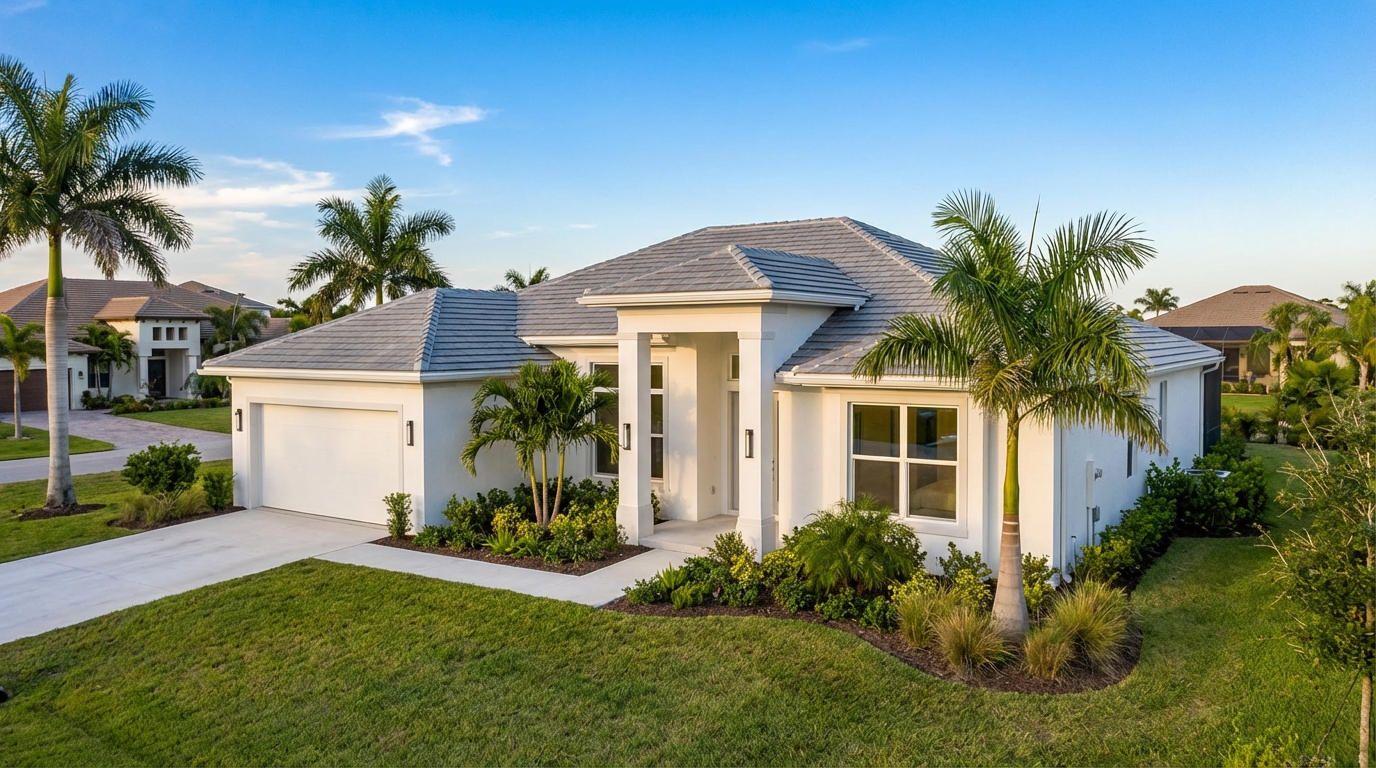
If you're considering prefabricated housing in Florida, you've likely encountered the terms "modular" and "manufactured" homes. While they might sound similar, these two types of housing are fundamentally different — and understanding these differences could mean the difference between a sound investment and a depreciating asset.
The confusion is understandable. Both types of homes are built in factories, both arrive on trucks, and both offer alternatives to traditional on-site construction. But the similarities largely end there. In this comprehensive guide, we'll explore the critical distinctions that every Florida homebuyer and investor needs to understand before making a decision.
The Key Difference: Building Codes
The most critical distinction between modular and manufactured homes lies in the building codes they must follow. This single difference cascades into nearly every other aspect of how these homes are built, financed, insured, and valued over time.
Modular Homes: Built to State and Local Codes
Modular homes are built to state and local building codes — in Florida, that's the Florida Building Code (FBC). These are the same strict standards that apply to traditional stick-built homes. The FBC is one of the most stringent building codes in the nation, updated every three years to incorporate the latest safety standards and construction technologies.
Every modular home manufactured for Florida installation must bear a DCA/DBPR (Department of Business and Professional Regulation) insignia certifying compliance with these codes. This certification process involves third-party inspections at the factory level, ensuring quality control that often exceeds what's possible with traditional construction.
Manufactured Homes: Built to Federal HUD Standards
Manufactured homes, on the other hand, are built to federal HUD (Housing and Urban Development) codes established in 1976. While these codes have been updated over the years and provide baseline safety standards, they are less stringent than most state building codes, especially Florida's.
HUD code homes are identifiable by a red certification label permanently affixed to the home. These standards are uniform across all 50 states, meaning a manufactured home built for Minnesota follows the same code as one built for Florida — despite Florida's unique hurricane, flooding, and extreme heat challenges.
Foundation Requirements
The foundation difference between modular and manufactured homes is more than just structural — it has profound implications for financing, insurance, property taxes, and long-term value.
Modular Homes: Permanent Foundations Required
Modular homes must be placed on permanent foundations, just like traditional homes. This is required by Florida Building Code and is essential for appreciation and conventional financing. These permanent foundations typically include:
- Concrete slab foundations (most common in Florida)
- Crawl space foundations with concrete footers
- Full basement foundations (less common in Florida due to water tables)
- Pier and beam systems engineered for specific soil conditions
Once installed on a permanent foundation, a modular home becomes real property, legally indistinguishable from a site-built home. This classification is critical for property taxes, resale value, and financing options.
Manufactured Homes: Non-Permanent Foundations
Manufactured homes are typically placed on non-permanent foundations with steel frames that allow them to be moved. Common foundation types include:
- Steel I-beam chassis (original transport frame)
- Concrete block piers
- Ground anchors with tie-down straps
While some manufactured homes can be retrofitted with permanent foundations and converted to real property (through a sometimes complex legal process), most remain classified as personal property throughout their lifespan.
Appreciation vs. Depreciation
This is where the rubber meets the road for investors and long-term homeowners. The financial trajectories of modular versus manufactured homes are dramatically different.
Modular Homes: Real Estate Appreciation
According to the National Association of Realtors, modular homes on permanent foundations appreciate at the same rate as traditional stick-built homes. They're appraised using the same comparable sales methodology and financed the same way.
In Florida's growing markets, this can mean significant appreciation potential. For example, in areas experiencing 5-7% annual appreciation, a $300,000 modular home could gain $15,000-$21,000 in value in the first year alone. Over a 10-year period, that same home could appreciate to $488,000-$590,000.
Manufactured Homes: Personal Property Depreciation
Manufactured homes are typically classified as personal property (like a vehicle) rather than real property. They often depreciate over time, making them less suitable as long-term investments. Industry data suggests manufactured homes can lose 15-20% of their value in the first five years.
This depreciation occurs even as the land underneath may be appreciating. While some newer manufactured homes in desirable locations may hold value better, they rarely appreciate like real property does.
Financing Differences
The classification of these homes as real property versus personal property significantly impacts financing options, interest rates, and loan terms. This can translate to tens of thousands of dollars in difference over the life of a loan.
Modular Home Financing
Modular homes qualify for the full range of conventional financing options:
- Conventional Mortgages: 15-30 year terms at standard rates (currently 6.5-7.5%)
- FHA Loans: As low as 3.5% down payment
- VA Loans: Zero down payment for qualified veterans
- USDA Loans: Zero down payment for rural properties
- Construction-to-Permanent Loans: Single close financing for land + home
These loans are secured by real property, offer competitive interest rates, and build equity just like traditional mortgages.
Manufactured Home Financing
Manufactured homes often require specialized financing that comes with significant disadvantages:
- Chattel Loans: Personal property loans with 8-10%+ interest rates
- Shorter Terms: Typically 15-20 years maximum (vs. 30 for real property)
- Higher Down Payments: Often 20-25% required
- Limited Lenders: Many banks don't offer manufactured home loans
The math is sobering: On a $200,000 home, the difference between a 7% modular mortgage and a 9% chattel loan over 20 years is approximately $85,000 in additional interest.
Hurricane Resistance in Florida
Florida's hurricane risk makes building code compliance especially important. This isn't just about safety during storms — it directly impacts insurance costs, insurability, and peace of mind.
Modular Homes: Engineered for Florida Hurricanes
Modular homes built for Florida are engineered for high-velocity wind zones with ratings up to 180+ MPH — suitable for Category 4-5 hurricanes. This engineering includes:
- Reinforced roof-to-wall connections
- Continuous load paths from roof to foundation
- Impact-resistant windows and doors (required in HVHZ areas)
- Stronger wall sheathing and fastener schedules
- Engineered tie-downs specific to wind zone requirements
Additionally, the factory construction process itself creates superior wind resistance. The modules must survive highway transport at 60+ MPH, which serves as a real-world stress test before the home even reaches your property.
Manufactured Homes: Improved but Limited Wind Resistance
While newer manufactured homes have significantly improved wind resistance compared to older models, they generally don't match the engineering standards of FBC-compliant modular construction. HUD code requirements for wind resistance are less stringent than FBC requirements in many Florida counties.
This difference becomes critical during hurricane season. Insurance companies understand these distinctions, which is why manufactured homes often face:
- Higher wind/hurricane insurance premiums (sometimes 2-3x higher)
- Difficulty obtaining coverage in coastal areas
- Lower coverage limits
- Higher deductibles for wind damage
Property Taxes and Legal Classification
The real property versus personal property distinction affects more than just financing and appreciation — it impacts how your home is taxed and titled.
Modular Homes
- Assessed as real property with land
- Subject to standard property tax rates
- Eligible for homestead exemption
- Transferred via real estate deed
Manufactured Homes
- Often registered with DMV (like a vehicle)
- May be subject to both property tax and registration fees
- Title transferred separately from land (if land is owned)
- Complex process to convert to real property
Resale Considerations
When it comes time to sell, the differences between modular and manufactured homes become even more apparent.
Modular Home Resale
- Listed on MLS alongside traditional homes
- Appraised using comparable sales (real property)
- Buyers can use conventional financing
- No stigma in most markets
- Appreciation potential equals traditional homes
Manufactured Home Resale
- More limited buyer pool (financing challenges)
- Often advertised separately from traditional real estate
- Depreciation hurts resale value
- Some buyers unable to obtain financing
- Market perception challenges
Which Should You Choose in Florida?
For Florida investors and homeowners who want:
- Property that appreciates like traditional real estate
- Access to conventional financing with competitive rates
- Maximum hurricane protection and lower insurance costs
- Long-term investment value and equity building
- Full range of resale options when the time comes
Key Takeaway: Modular homes are the clear choice for Florida. While the upfront cost may be slightly higher than manufactured housing, the long-term financial benefits, superior hurricane protection, and conventional financing options make modular construction the smarter investment for Florida's unique market and climate challenges.
Frequently Asked Questions
Can a manufactured home be converted to a modular home?
No, a manufactured home cannot be converted to a modular home because they're built to different codes from the ground up. However, in some cases, a manufactured home can be converted to real property by placing it on a permanent foundation and going through a legal process to eliminate the title and have it classified as real estate. This doesn't change the fact that it was built to HUD code rather than Florida Building Code, but it can improve financing options.
Are modular homes more expensive than manufactured homes?
Yes, modular homes typically cost 10-20% more upfront than manufactured homes. However, this higher initial cost is offset by better financing terms (lower interest rates, longer terms), lower insurance premiums, and appreciation rather than depreciation. Over a 20-year period, a modular home is almost always the more economical choice when you factor in total cost of ownership.
How can I tell if a home is modular or manufactured?
Look for the certification label: Modular homes have a DCA/DBPR insignia from the Florida Department of Business and Professional Regulation. Manufactured homes have a red HUD certification label. Additionally, modular homes must be on permanent foundations and are titled as real property with a deed, while manufactured homes often have vehicle-style titles and may be on non-permanent foundations.
Can I get a conventional mortgage for a manufactured home?
It's very difficult. While technically possible if the manufactured home is on a permanent foundation, has been converted to real property, and meets specific lender requirements, most manufactured homes require chattel loans. Even when conventional financing is available for a manufactured home, interest rates are typically 1-2% higher than for modular or traditional homes due to depreciation risk.